Hayward and the East Bay
Washer Leaking? Find Where the Water Starts
A puddle at the back usually means a hose; at the front, the door seal or drawer. Shut it down safely, then call with where the water sits.
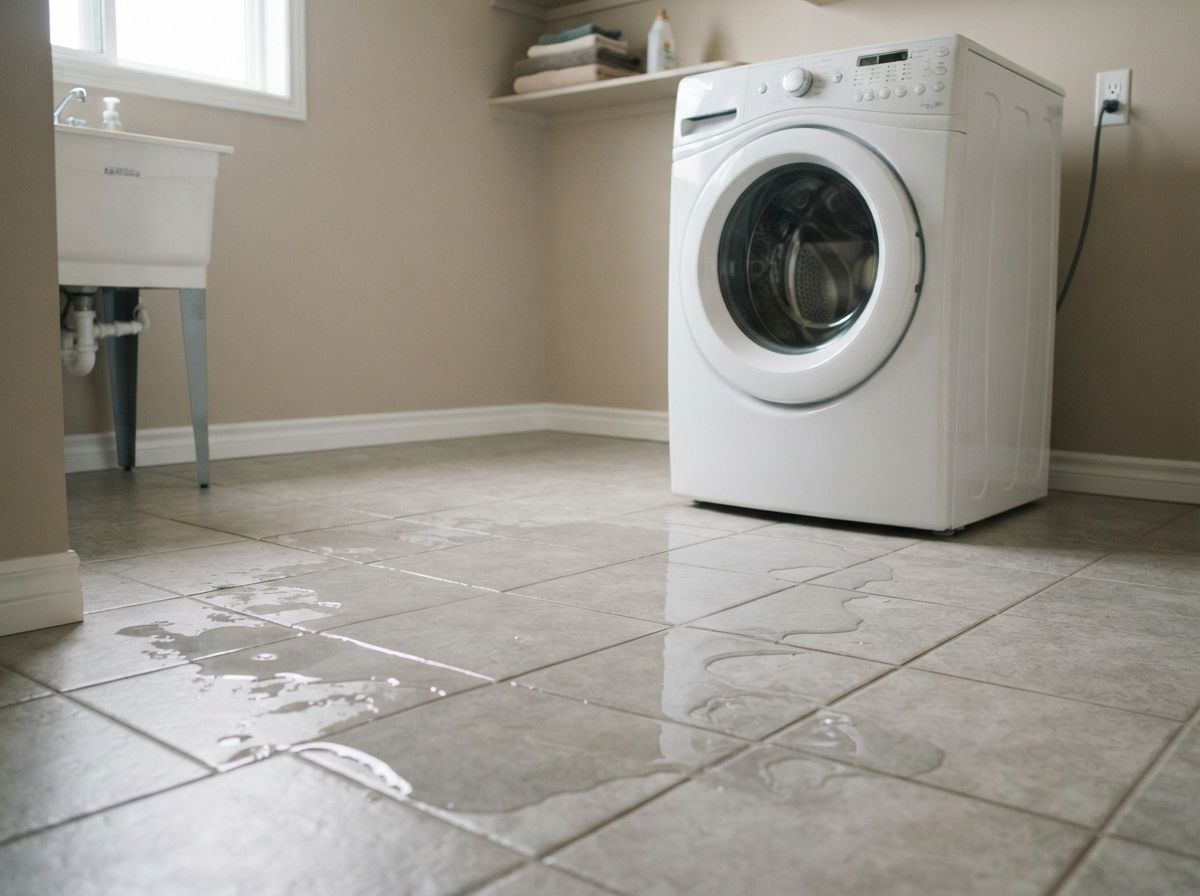
What should you do the moment you see water?
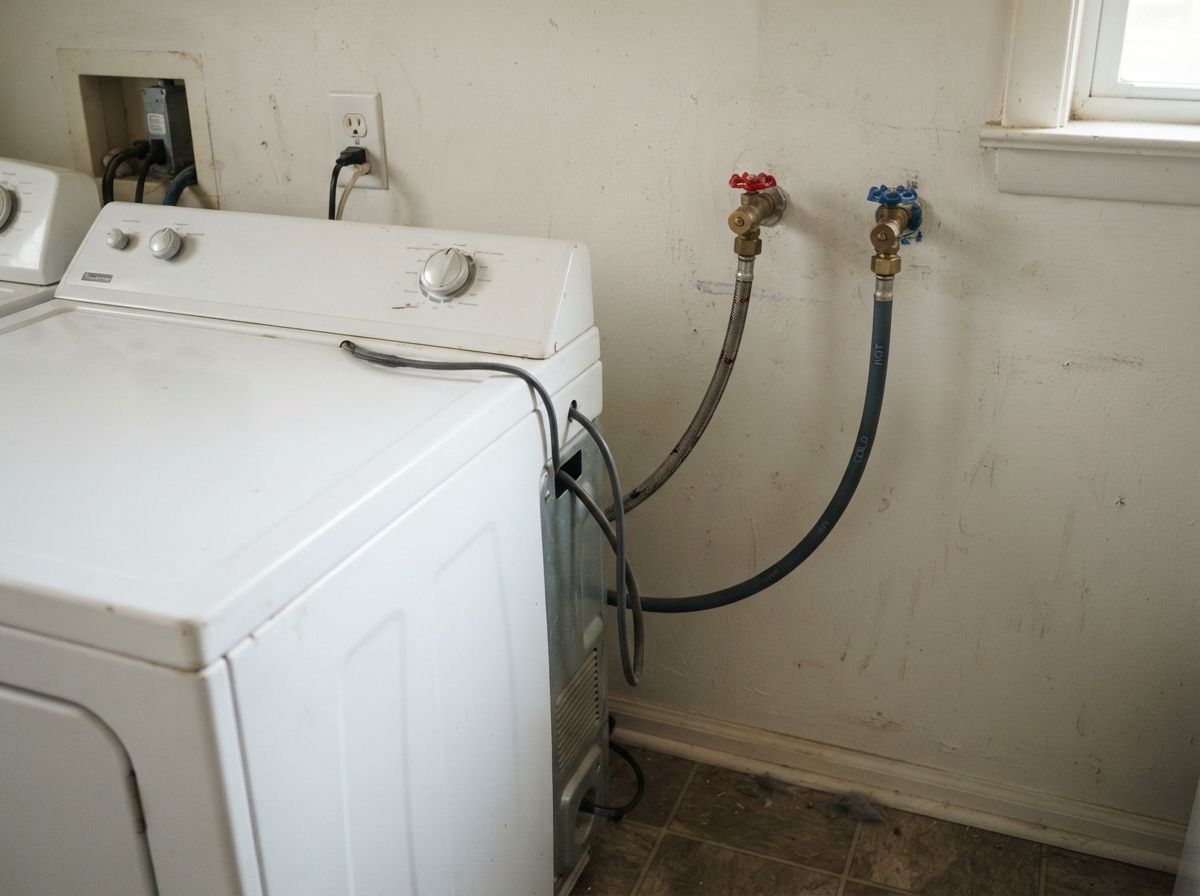
Cut the power, then the water. If the floor around the washer is wet, switch the washer off at its breaker instead of reaching for the plug. Then turn both supply valves on the wall behind it clockwise until they stop.
- Leave a locked front-load door shut; most stay locked while there's water in the drum.
- Mop up and put towels down, and move anything stored on the floor nearby.
- Note where the water is heaviest before you wipe it all away. That spot is your best clue.
- Upstairs? Tell the neighbor below or the building manager now, so they can check their ceiling.
Hayward Appliance Care sets up washer repair visits in Hayward, Castro Valley, San Leandro and across the East Bay. Leaks are one of the most common reasons people call, and the first few minutes above decide how much damage the floor takes.
Never across a wet floor
Water and a 120-volt plug don't mix. The breaker is the safer switch whenever the floor is wet. If the panel is in the garage, it's usually labeled washer or laundry.
Where is the puddle, and what does it point to?
Where the water collects narrows the leak to a handful of parts. Tell us which row fits when you call.
| Where the water is | Most likely source | What the tech checks |
|---|---|---|
| Behind the washer | Fill hoses, their rubber washers, the inlet valve, or the drain hose | Hose ends and inner seals, the valve body, the drain hose clamp |
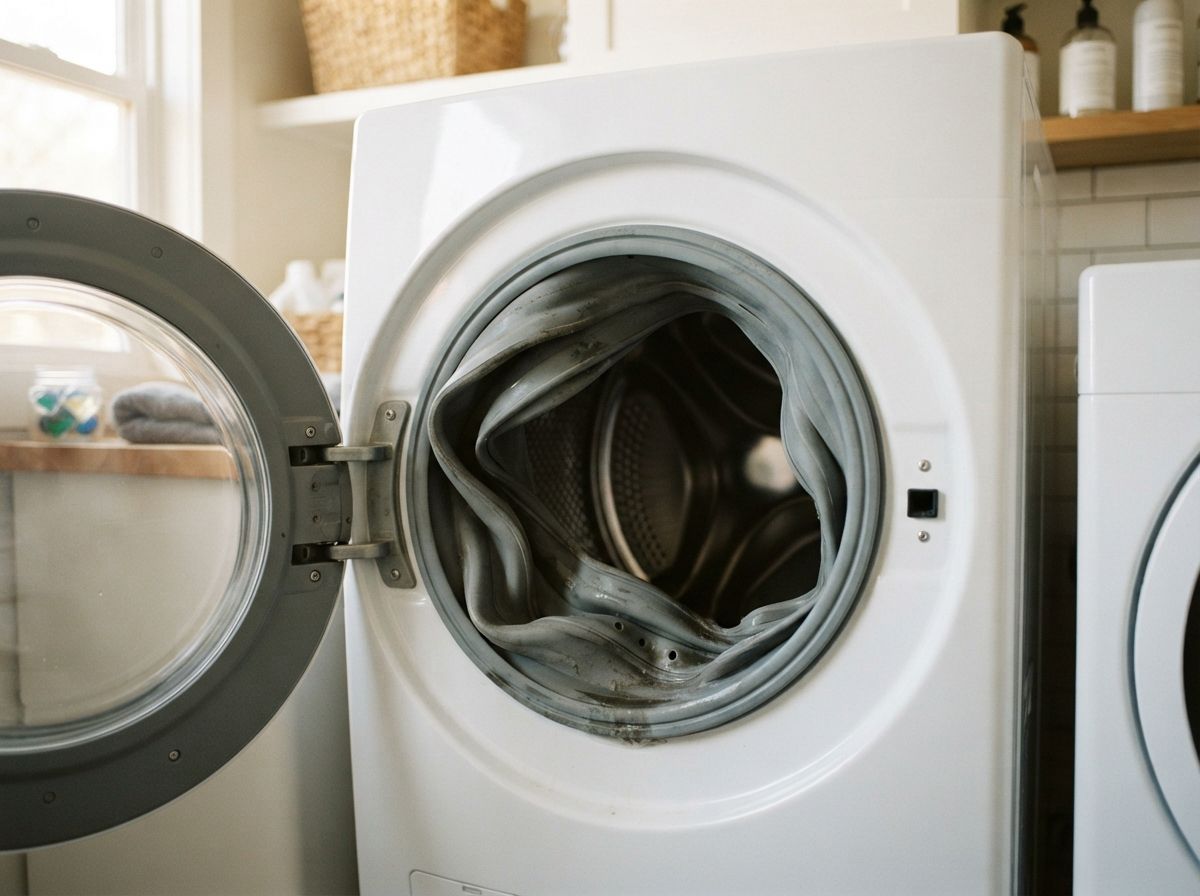
| Front, below the door | Door seal (boot) on a front-loader, a sock or hair caught in it | Folds of the boot for tears, debris and soap buildup |
| Front, below the detergent drawer | Clogged drawer, pods that didn't dissolve, too much detergent | Dispenser flow and the drawer housing |
| Underneath, spreading from the middle | Drain pump, pump filter cap, or a tub hose inside the cabinet | Pump and filter seal, internal hoses and clamps |
| Around the drain box or standpipe on the wall | Drain hose pushed in too far, or water backing up out of the standpipe | Hose depth and height, how fast the standpipe takes water |
When in the cycle does it leak?
Timing tells the same story from a different side, and it's useful when the puddle has spread too far to read.
While it fills
Water arriving fast under house pressure: the fill hoses, the inlet valve, or the dispenser overflowing.
During the wash
The door seal on a front-loader, or suds. GE and Samsung both point to too much detergent or non-HE detergent; even one load of regular soap can foam enough to push water out.
During drain or spin
The drain side: the pump, the hose, or the standpipe. Samsung's install guide puts the drain hose 6 to 8 inches into the standpipe, not sealed tight, so a hose shoved deeper or taped in can siphon or back up.
When the washer is off
Something under constant pressure: a fill hose or the inlet valve. That one won't wait, because it leaks whether anyone's home or not.
Front-loader or top-loader?
Front-loaders leak most often at the door boot and the detergent drawer. GE lists soil and soap left on the seal, debris in the gasket, clothes caught in the door and pods stuck in the dispenser. Samsung says a single hair across the seal can be enough.
Top-loaders don't have a boot, so a leak there is more often a hose, the pump, or a seal under the tub. Tell us which type you have; it changes what the visit plans for.
Know where the water starts? Call with the brand, the type and the spot.
Call (XXX) XXX-XXXXApartments and condos
Washer in an upstairs unit or a stacked closet?
A lot of Hayward laundry sits upstairs. Census estimates put about 27% of the city's homes in buildings with five or more units, and in those buildings a leak doesn't stay on your floor. Tell the manager or the neighbor below early, and say on the call that it's an upstairs unit.
Stacked washer and dryer pairs in a hall closet leave little room to pull the washer out. Mention the stack and roughly how wide the closet is, so the visit is planned for the tight space. If the dryer has been slow too, the dryer page explains why a washer that leaves clothes soaked makes the dryer look broken.
Is a leaking washer worth repairing?
Most leaks come from hoses, a door boot, a pump or a drawer housing, and those are ordinary repairs on a machine that otherwise runs. GE and Whirlpool recommend new fill hoses every 5 years anyway, so a hose leak on an older washer is a good time to do both.
Age matters more when the leak is from the tub or its bearings. A 2007 NAHB study put typical washer life at about 10 years. The tech's written price gives you the number to weigh against that. For drain, spin and door problems that aren't leaks, see washer repair.
Leaks
What else do people ask about a leaking washer?
Can I keep using the washer with towels under it?
Better not. A slow leak that soaks into the subfloor or drips into a unit below costs more than the repair. Keep both valves closed between loads until the visit.
My Samsung shows LE or LC. Is that the leak?
Yes. On Samsung washers, LE and LC are the water level or leakage error. On an LG, LE means something else entirely, a motor overload, so read us the brand along with the code.
It only leaks with big loads. Why?
Heavy or bulky loads stretch the door seal and slosh water higher, and overloads can push water past a worn boot or out of the drawer. It's still worth a visit, because a seal that leaks under load keeps getting worse.
Do the fill hoses really wear out?
Yes. GE and Whirlpool both recommend replacing washer fill hoses every 5 years, sooner if they bulge, kink or crack. A hose that bursts while you're out is the leak that does the most damage.
Valves closed, floor dry
Check the ZIP, then call
Type the ZIP for the home with the washer. If it's covered, we'll set the visit while you're on the line.
Is the washer at an address we cover?
The first ten minutes
Want to run a load without watching the floor?
Within ten minutes of calling, we'll have where the water starts and when, and the visit will be booked.