Hayward and the East Bay
Oven Won't Heat? Get Stove Repair in Hayward
An oven that preheats slower every week usually has a tired igniter or element. Get it tested before Thanksgiving, when every burner is spoken for.
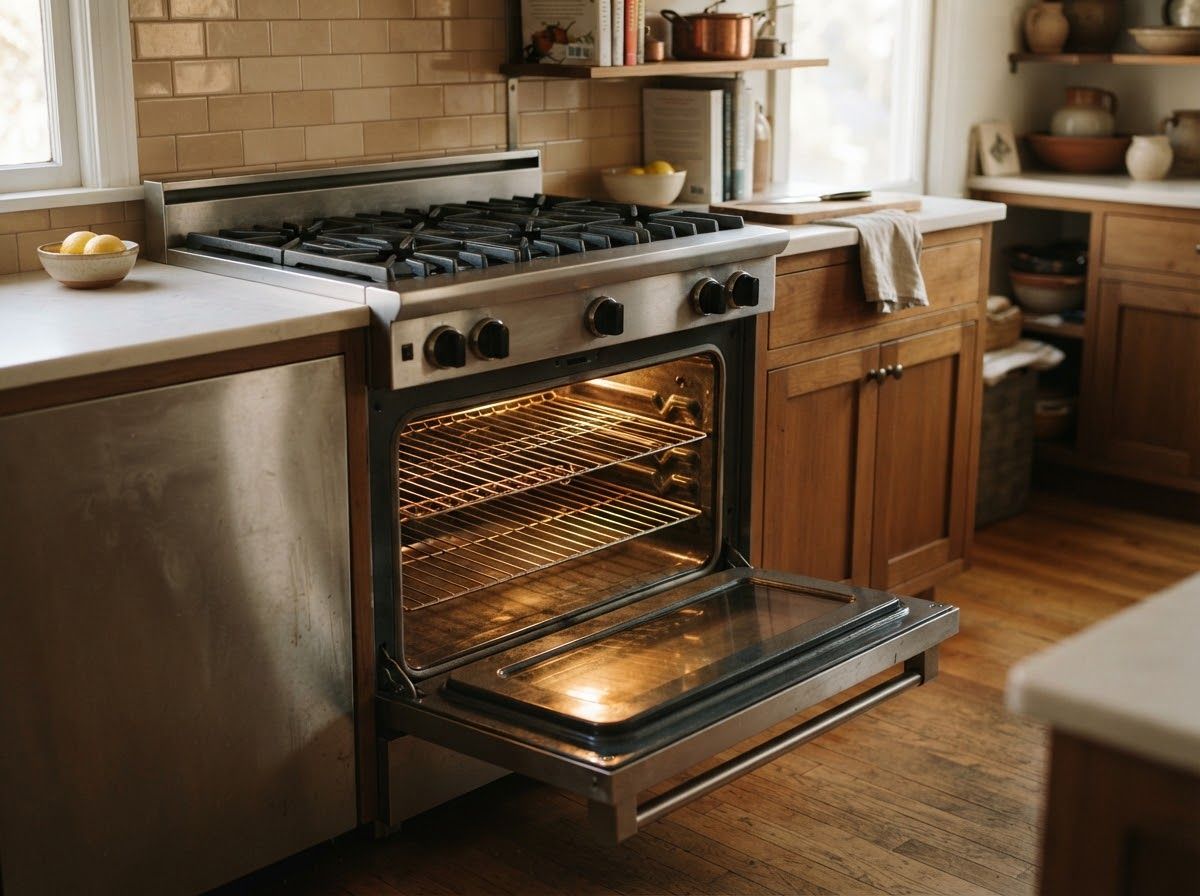
Why won't the oven heat up?
It depends first on the fuel. Hayward Appliance Care sets up oven, range and stove repair across Hayward and the East Bay for gas and electric models, and the very first question on the call is which one you have, because the parts behind a cold oven are completely different.
On a gas oven, the usual cause is the igniter. Most gas ovens use a glow-bar igniter that has to get red-hot before the gas valve opens. GE says to look for that red glow at the back of the oven bottom after setting Bake; no glow points to the igniter, the oven controls or the wiring. A glow that takes much longer than it used to points to an igniter on its way out. LG says its igniters glow about 30 to 60 seconds before the burner lights.
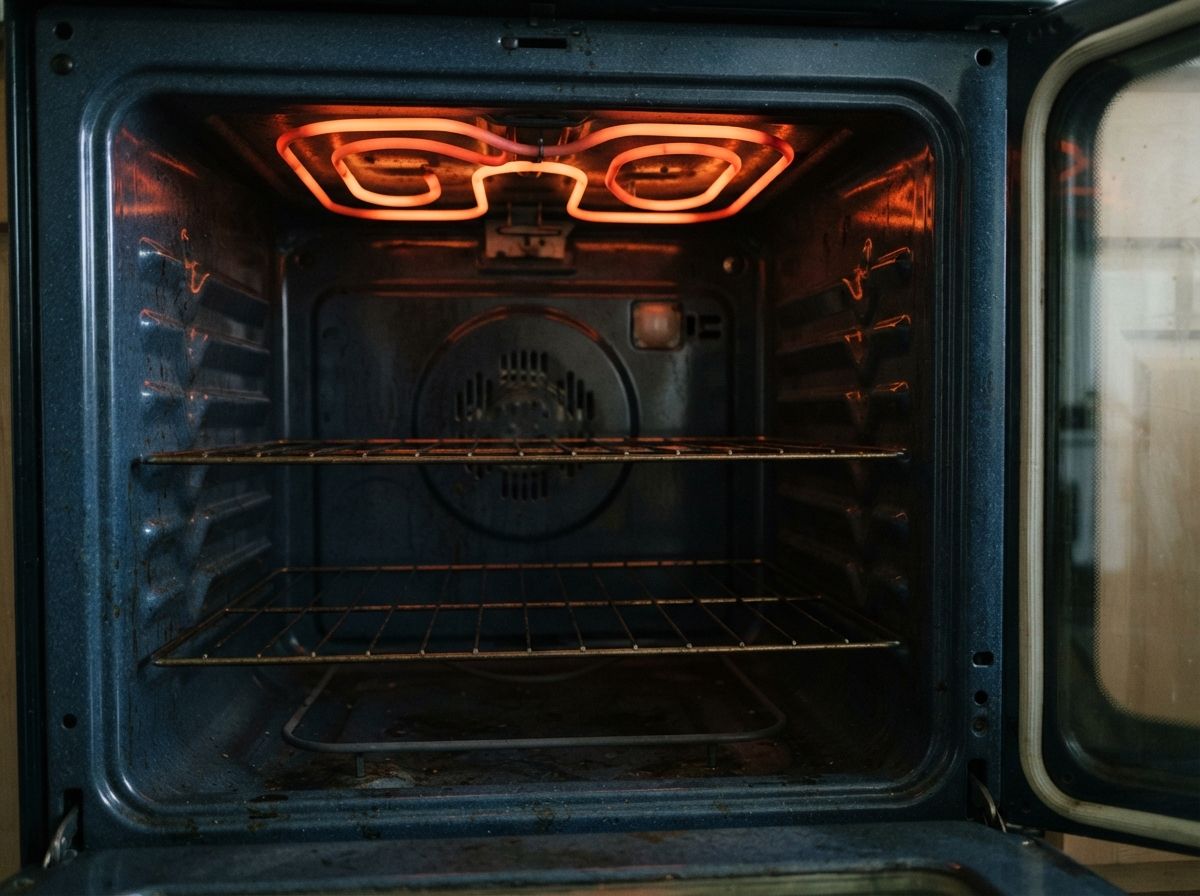
On an electric oven, the bake element on the floor of the oven is the first thing checked. A blister, a split or a dark spot on it is a giveaway. If the element looks fine, the relay on the control board that feeds it, and the oven sensor, come next.
One gas oven quirk
If the cooktop burners light but the oven gets no gas at all, check that the range was not recently pulled out or moved. Whirlpool notes that ranges have a separate shutoff on the pressure regulator at the back, and it can get turned off in handling. Mention it on the call; the tech can check it on the visit.
Bake works but broil doesn't, or the temperature is off?
When part of the oven works, the fault is narrower, and the visit is usually shorter.
| What's happening | Gas oven | Electric oven |
|---|---|---|
| Broil works, bake doesn't | Bake igniter or the valve feeding the bake burner | Bake element, or the relay that powers it |
| Bake works, broil doesn't | Broil igniter or burner | Broil element at the top, or its relay |
| Heats, but runs hot or cold | Oven temperature sensor, then the control | Oven temperature sensor, then the control |
| Slow to preheat, getting slower | Igniter weakening | Element starting to fail, or one element out |
| Soft boom when lighting | Delayed ignition on a gas oven. GE says to contact service. Stop using it until it's checked. | |
A gas smell, as opposed to a slow light, has its own page: what to do when the oven smells like gas.
Burner won't light, or won't stop clicking?
Clicking that won't stop, after a boil-over or a wipe-down, is usually moisture on the igniters or the switches behind the knobs. GE says to let it dry for a few hours, and to make sure every knob is fully off. Clicking from all the burners while you light one is normal on many ranges.
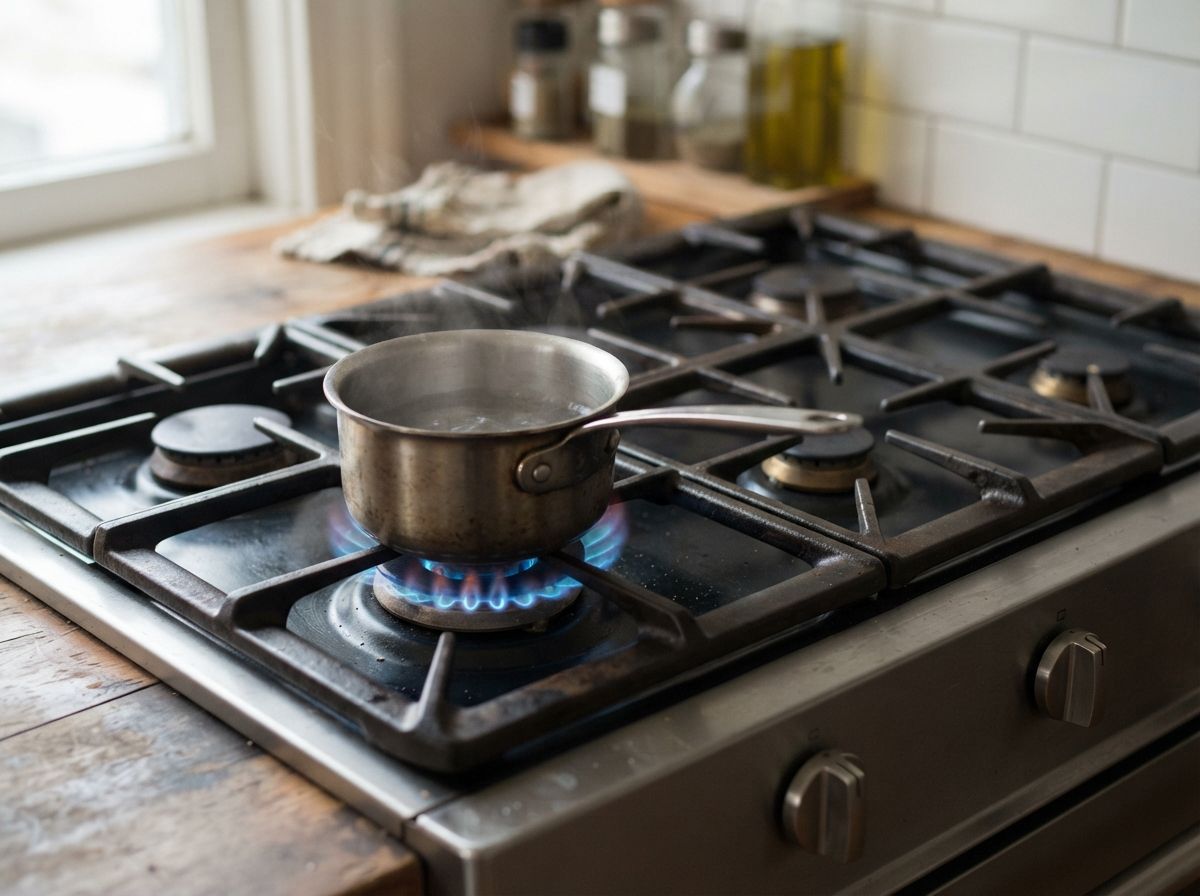
A burner that clicks but won't catch, with a dry cooktop, has a different list: a burner cap that isn't seated flat, ports clogged with spill, a cracked igniter, or a spark module that's getting weak. Those are visit items.
Glass, induction and coil cooktops have their own page: cooktop and microwave repair.
GE oven codes worth knowing
- F2 or F20: the oven went past a preset temperature limit. Leave it off.
- F3 or F4: the oven sensor usually needs replacing.
- F9 or FC: a part failed in the door lock circuit.
- F0, F1, F6, F7: usually the keypanel.
Code on the display? Read it to us with the model number.
Call (XXX) XXX-XXXXThanksgiving is Thursday, November 26
Will the oven make it through Thanksgiving?
The holiday asks more of a range than any other day of the year: hours of baking at temperature, every burner going at once, and the oven door opening constantly. A part that's been limping along all fall tends to give out that afternoon. Test it now, while there's time to get it fixed.
A twenty-minute test this week
- Set Bake to 350°F and time the preheat. Then compare it with what you're used to; if it's noticeably slower than last year, that's a sign.
- Put an oven thermometer on the middle rack. After 20 minutes, it should read close to what you set.
- Run Broil for a few minutes and check that it heats from the top.
- Light every burner one at a time. Each should catch quickly with a steady blue flame.
- Planning a self-clean? Do it well ahead, not the week of, so a lock that sticks or a part that fails has time to be fixed.
If anything on that list misses, call with what you saw. A slow preheat in October is a lot easier to deal with than a cold oven with a turkey in it.
Ovens and ranges
What else do people ask about oven and stove repair?
The door stayed locked after self-clean. What do I do?
Let it cool. GE says ovens take 30 to 90 minutes to cool after a self-clean, and Whirlpool says the lock releases once the oven drops to about 200°F. Don't force the latch. If it's still locked when cold, that's a door lock repair.
Do you work on wall ovens and double ovens?
Yes. Tell us it's a wall oven, single or double, and read us the model from the sticker on the door frame. Wall ovens come out of the cabinet differently from a range, and the visit is planned for that.
Is an old range worth fixing?
A 2007 NAHB study put typical life at about 15 years for a gas range and 13 for an electric one. An igniter, element or sensor on a range younger than that is usually an easy yes.
What is a GE F3 or F9 code?
On GE ovens, F3 and F4 usually mean the oven sensor needs replacing, and F9 or FC means a part failed in the door lock circuit. GE suggests leaving the range off at the breaker if a code keeps coming back.
Range, wall oven or cooktop
Check the address before you call
Type the ZIP where the oven is. If it's covered, have the brand and the gas or electric answer ready.
Is your ZIP on our list?
The first ten minutes
Want the oven holding 350 again?
In the first ten minutes we'll have gas or electric, what still works, and any code, and your repair visit will be booked.